Stakeholder engagement solutions for financial planning

Plans work when the people they affect help shape them

Stakeholder engagement is the practice of identifying, listening to, and aligning every party affected by a financial decision before that decision is locked in. Most organisations announce plans and hope for compliance. We do the opposite. We design processes that bring owners, boards, staff, suppliers, and communities into the room where the plan is built. The result is not just a document. It is a group of people who believe in the path forward. Our services cover the full arc of engagement: from first mapping to final follow-through.
Discuss your situation

What we offer and how each service works

1

Stakeholder analysis

Before any workshop or plan is drafted, we map every individual, group, or institution with a legitimate interest in the outcome. This includes internal teams, board members, external partners, community representatives, and regulatory bodies. We assess their influence, their concerns, and the order in which they need to be consulted. The result is a living document that guides every subsequent conversation and ensures no essential voice is discovered too late.

2

Workshop design and facilitation

We design and lead structured sessions where stakeholders move from position to interest to agreement. These are not presentations with questions at the end. They are working meetings with clear agendas, protected speaking time, and outputs that feed directly into financial modelling. We handle the group dynamics so your team can focus on the content. Each session is designed for the specific stakeholders in the room.
3

Communication planning

Different stakeholders need different information at different times. We build communication plans that match message to audience, ensuring that technical financial details reach those who need them while broader narratives reach those who must feel included. This prevents the confusion and resentment that come from one-size-fits-all announcements. Timing, channel, and tone are all part of the plan.
4

Conflict resolution

When stakeholder groups hold opposing views on capital allocation, risk tolerance, or organisational direction, we design processes that surface the real interests behind stated positions. We do not impose solutions. We create the conditions where parties can hear each other and find overlap. The goal is not unanimity. It is a decision that all parties can live with and support.

5

Governance advisory

For organisations facing ongoing or multi-year planning cycles, we advise on governance structures that embed stakeholder engagement into routine decision-making. This includes committee design, reporting rhythms, escalation pathways, and the documentation practices that keep engagement visible and accountable. Alignment becomes a habit, not a one-off event.
6

Alignment programs

Some decisions require sustained engagement over months or years. We design and manage long-term programs that maintain stakeholder connection as conditions change. These include regular check-ins, evolving stakeholder maps, adaptive communication rhythms, and progress reporting frameworks. The program evolves with the plan, ensuring that alignment does not decay after the initial excitement fades.

How we deliver

Each engagement follows a collaborative process with clear phases, clear outputs, and clear handoffs. You always know where we are and what comes next.

Initial consultation meeting
Listen
01

Initial consultation

We begin with a conversation about your situation, the decision you face, and the landscape of people who will be affected by it. This is not a sales pitch. It is a working session to understand whether and how engagement can help.
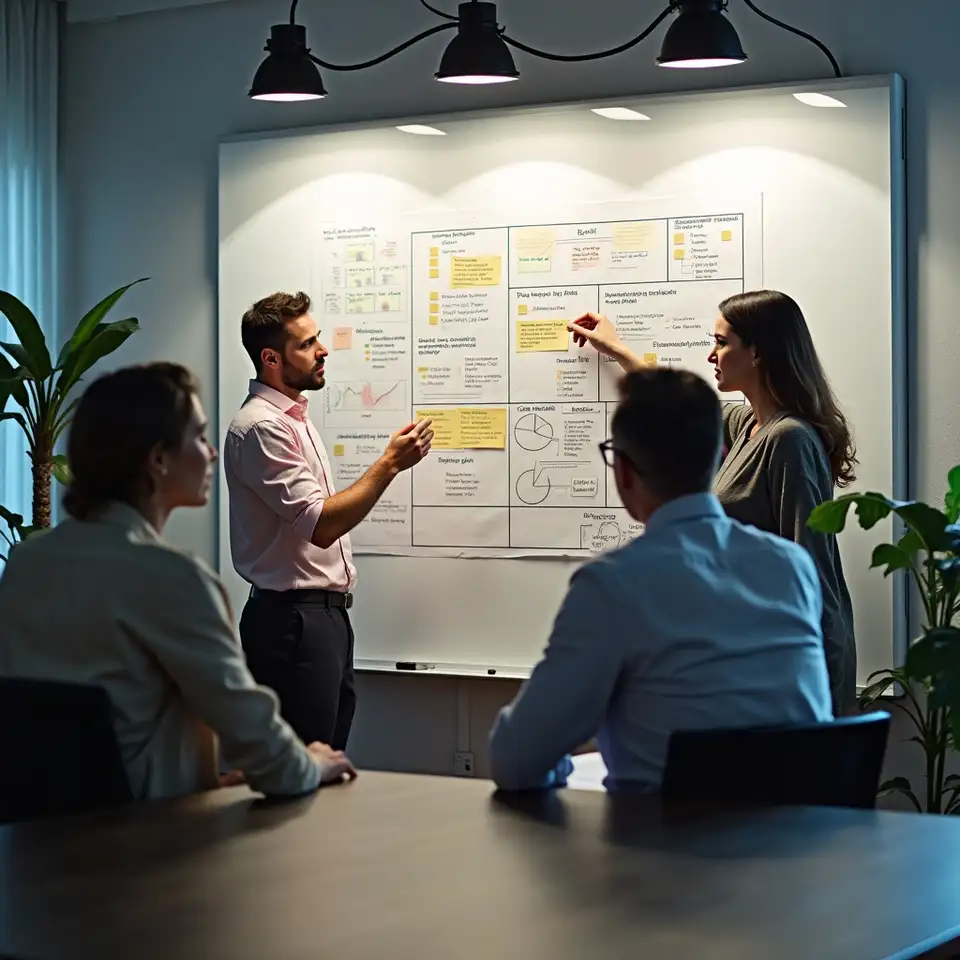
Team creating stakeholder map on whiteboard
Map
02

Stakeholder mapping

We identify every party with a legitimate interest in the outcome, assess their influence and concerns, and determine the optimal sequence for consultation. The map becomes the foundation for everything that follows.
Professional preparing session design documents
Design
03

Session design

Based on the map, we design the specific conversations that need to happen. This includes formats, participant lists, pre-read materials, decision criteria, and expected outputs. We agree on these with your leadership before any group is convened.
Facilitator leading group workshop discussion
Facilitate

04

Live facilitation

We lead the sessions we designed, manage the dynamics, capture the outputs, and produce documentation that feeds into your financial planning process. This phase may include multiple sessions with different stakeholder groups.

Team reviewing synthesized planning documents
Align
05

Synthesis and follow-through

After the sessions, we help you synthesise results into a coherent plan, identify remaining gaps, and design the follow-through needed to maintain alignment as the plan moves into implementation.

Ongoing support check-in meeting
Maintain

06

Ongoing support

For longer engagements, we remain available for check-ins, adaptive mapping, and additional sessions as conditions change. Alignment is not a single moment. It is a practice that requires maintenance.

What clients gain from structured engagement

Clearer accountability across groups

Engagement creates a record of who was consulted, what they said, and how their input influenced the final plan. This transparency protects the organisation from later claims that voices were ignored or processes were opaque.

Common questions

What organisations ask before engaging FAQ

Contact

Free assessment
  • RH
  • EV
  • JO

4.9 Client rating

Begin with a conversation about your situation

Most financial planning fails because the right people are not involved early enough. If your organisation is facing a decision that affects multiple groups, we can help you bring them together before the plan is set.

Say hello

Professional consultation meeting in modern office setting